How to Use the Utah Vintage Guide
Utah has an incredible secondhand community but finding the right places can take some work. Vintage boutiques, thrift stores, antique malls, consignment shops, record stores, and tiny neighborhood gems are scattered across the state, and the best treasures aren’t always the ones that show up first in a search.
That is why I created the Utah Vintage Guide: an independently curated, interactive map designed to help locals and visitors discover Utah’s secondhand shopping scene.
The guide currently includes more than 100 vintage, thrift, consignment, antique, book, and record stores across Salt Lake City, Park City, Ogden and Northern Utah. We'll add more regions and businesses as the guide grows.
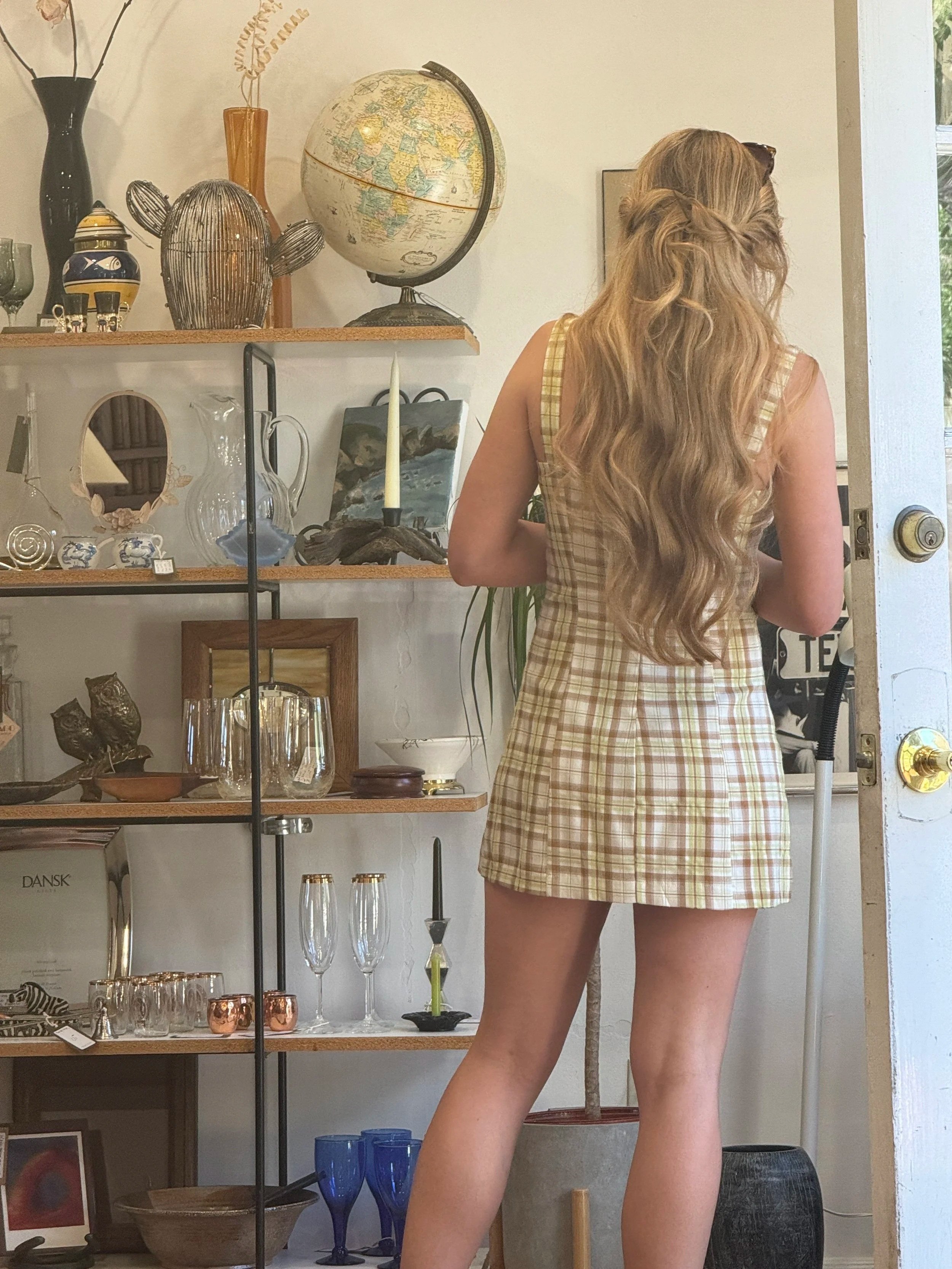
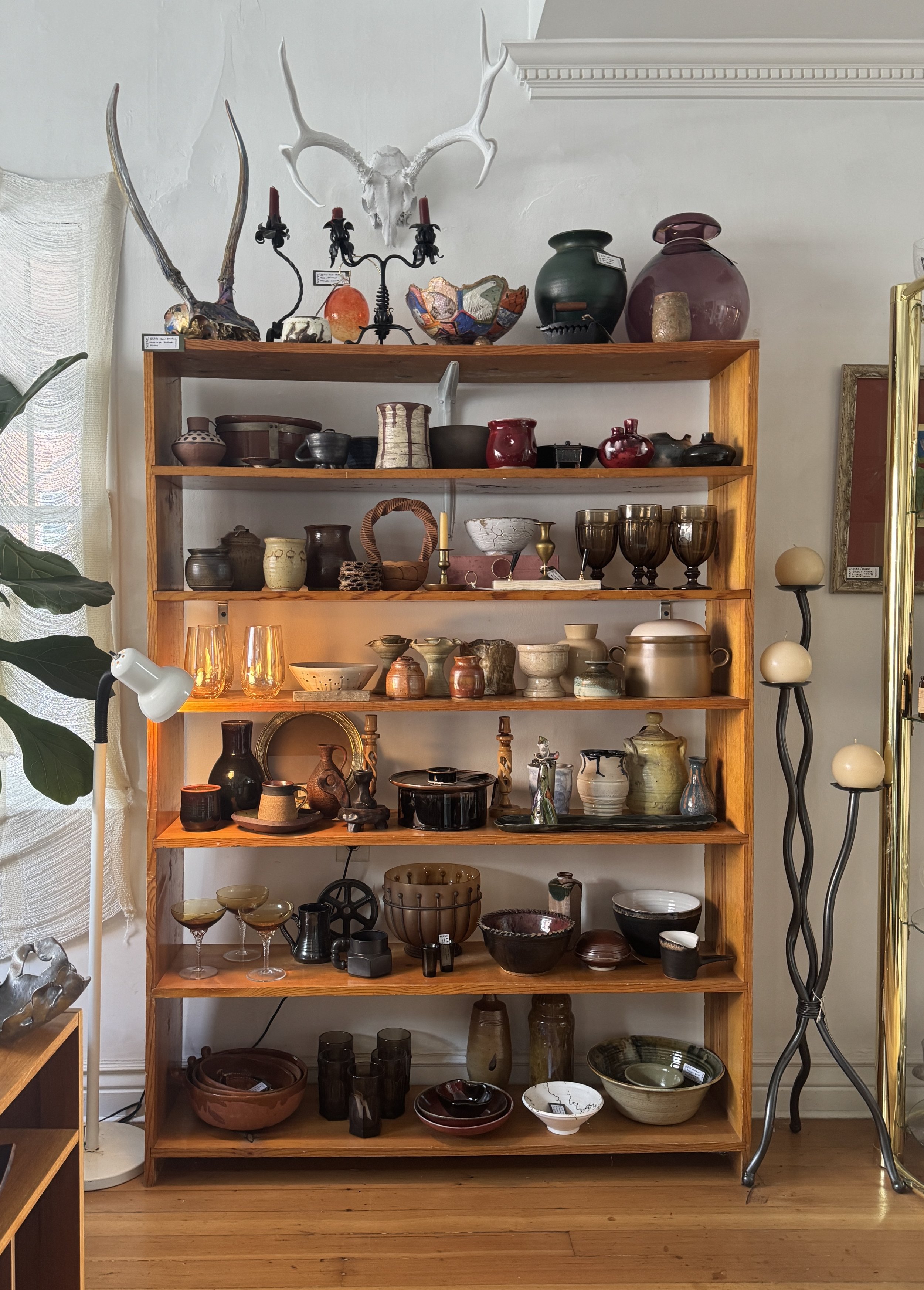
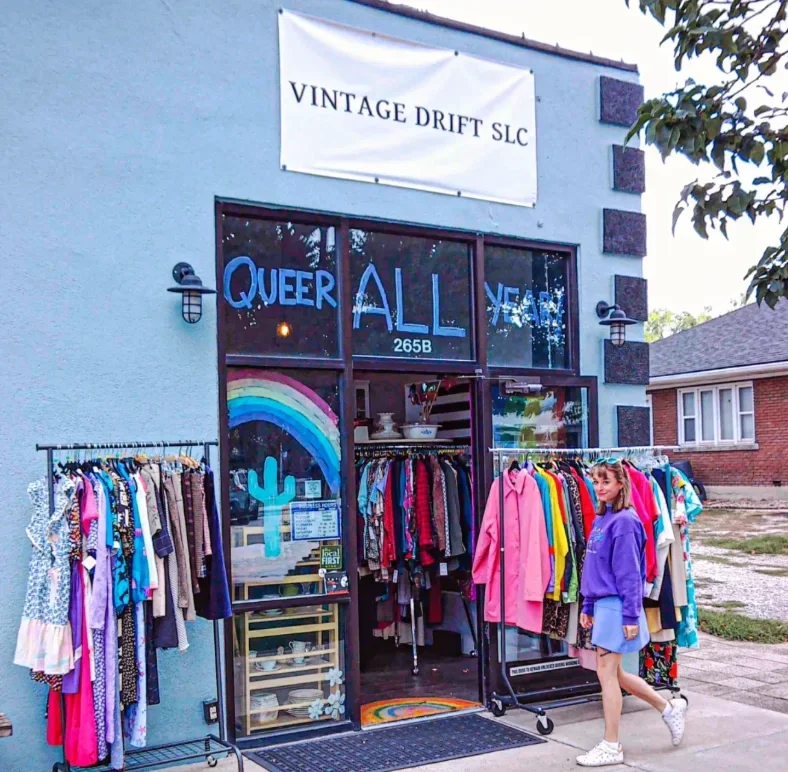

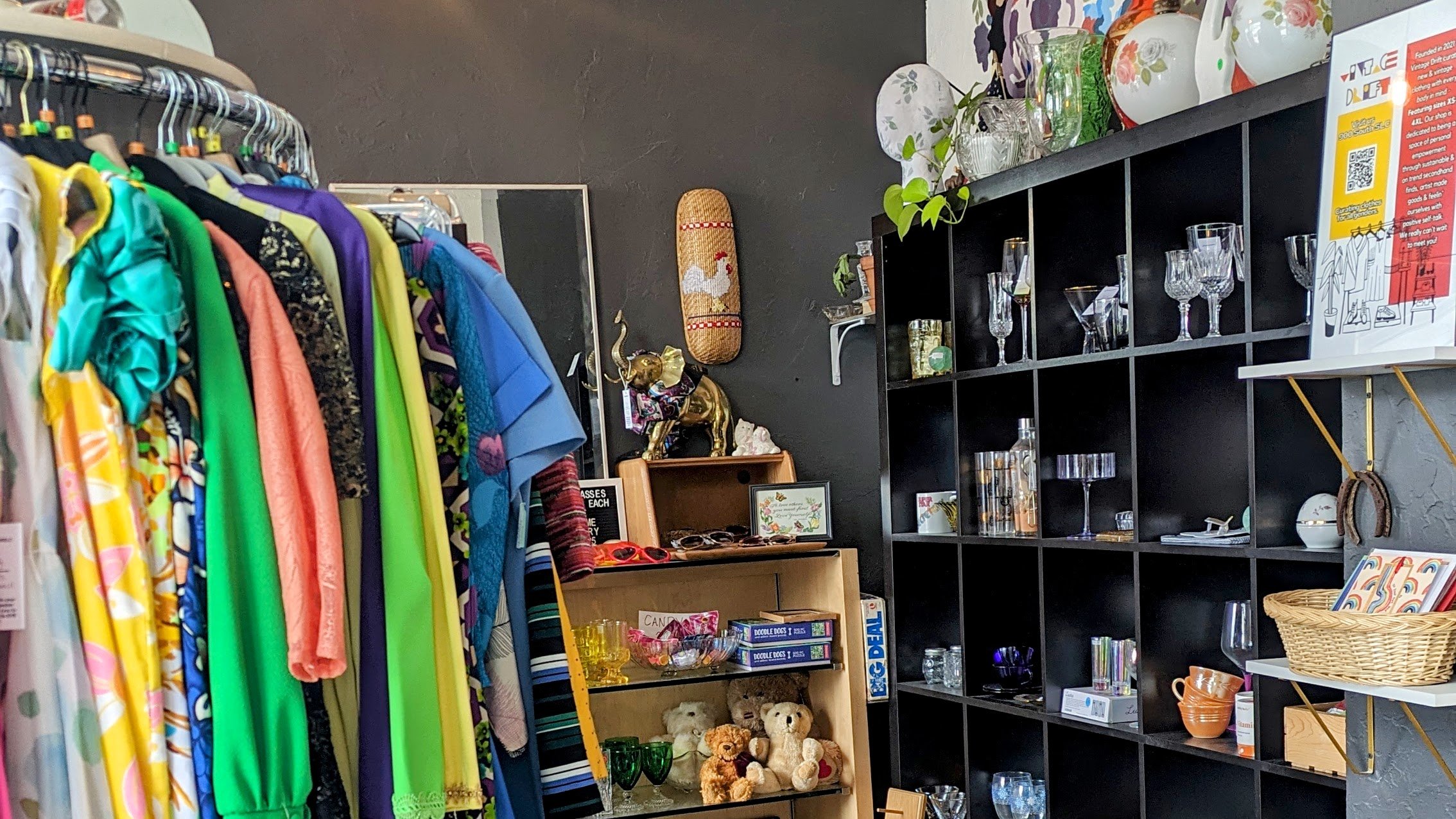
Whether you’re searching for the perfect vintage dress, furnishing your home, digging through record bins or planning an entire secondhand shopping day, here’s how to get the most out of it.
Start With the Interactive Map
Open the Utah Vintage Guide and explore the pins based on where you are or where you want to go.
You can zoom in to find stores near a specific neighborhood, destination or travel route. Click any map pin to see the business name and available information about that location.
If you want more room to explore, use the full-screen icon in the upper-right corner of the map.
Use the Map Layers
Select the menu icon in the upper-left corner of the map to open the guide’s different layers.
The guide is organized into geographic areas and special shopping categories, including:
Central 900 South
Downtown Salt Lake City
Sugar House
Greater Salt Lake Valley
Books and records
Thrift stores
Ogden and Northern Utah
Park City
You can turn individual layers on or off depending on what you’re looking for.
If you only want to explore record stores, for example, turn off the other layers and leave the books and records category visible. If you’re planning an afternoon in downtown Salt Lake City, focus on that neighborhood instead of sorting through every store in the guide.
Plan a Vintage Shopping Route
One of the easiest ways to use the guide is to choose one neighborhood and visit several nearby businesses in the same trip.
Instead of driving from one side of the valley to the other, select a concentrated area such as Central 900 South, Downtown Salt Lake City or Sugar House. Choose three to five stores that match your interests, check their current business hours and build your route from there.
Leave yourself more time than you think you’ll need. Vintage shopping is not especially compatible with rushing.
A strong shopping-day formula is:
Begin with one destination store you already know you want to visit.
Add two or three nearby shops you haven’t explored before.
Include a local coffee shop, restaurant or bar along the route.
Leave space in the schedule for an unexpected stop.
The best finds are often in the place you almost skipped.
Choose Stores Based on What You Want to Find
Not every secondhand store offers the same experience.
A curated vintage boutique may be best for a specific era, aesthetic or ready-to-wear outfit. A thrift store offers more variety and lower prices, but usually requires more digging. Antique malls are ideal when you want to explore multiple vendors, while consignment stores can be especially useful for contemporary designer clothing and accessories.
Before heading out, decide what kind of shopping experience you want:
Curated vintage: Distinctive clothing, accessories and home goods selected by an individual seller or shop
Thrift: Affordable secondhand inventory with the thrill of an unpredictable hunt
Consignment: Carefully selected contemporary, designer or higher-value secondhand pieces
Antiques: Furniture, collectibles, décor, glassware and objects with some history
Vintage home: Furniture, lighting, art, barware and décor
Books and records: Used books, rare titles, vinyl and independently curated collections
Architectural salvage: Vintage fixtures, hardware, doors and materials for restoration or creative projects
You can also mix categories. Some of the most enjoyable shopping days include a clothing boutique, an antique mall and a record store.
Check the Details Before You Go
Small businesses change hours, move locations and occasionally operate by appointment. Before making a special trip, check the business’s current website, social media account or Google listing.
This is especially important during holidays, severe weather, seasonal schedule changes and major local events.
The Utah Vintage Guide is updated periodically, but it is a living resource—not a replacement for confirming a store’s hours directly.
Shop Secondhand First
You don’t need to buy everything secondhand, and you don’t need to find something during every shopping trip. The goal is to make secondhand shopping a normal first step before automatically buying something new.
Shopping vintage and secondhand:
Keeps usable goods in circulation
Supports independent Utah businesses
Helps preserve craftsmanship and design
Gives you access to objects and clothing with more personality
Makes it possible to develop a style that doesn’t look exactly like everyone else’s
It also directs more money toward local store owners, curators, artists and vendors who help make Utah’s communities interesting.
Share Your Favorite Stores
The guide will become more useful as more people contribute their knowledge.
If your favorite Utah vintage, thrift, consignment, antique, book or record store is missing, use the submission form at the bottom of the Utah Vintage Guide.
You can also submit a correction if a business has moved, closed or changed its name.
Submitting a business does not guarantee inclusion. The guide is independently curated, and every suggestion is reviewed before it is added.
A Living Guide to Utah Secondhand
This is not a directory of every secondhand business in Utah. It is a growing, independently curated guide to the stores, people and places worth knowing.
The current map is strongest along the Wasatch Front and in Park City, but the goal is to continue expanding into Utah County, Southern Utah and other parts of the state.
Save the guide, send it to your favorite shopping friend and check back as new stores and regions are added.
Most importantly: get out there, explore somewhere new and shop secondhand first.